


PUMPA - SMART LEARNING
எங்கள் ஆசிரியர்களுடன் 1-ஆன்-1 ஆலோசனை நேரத்தைப் பெறுங்கள். டாப்பர் ஆவதற்கு நாங்கள் பயிற்சி அளிப்போம்
Book Free DemoHuman beings pass through several stages of life: infancy, childhood, adolescence, adulthood, and old age. Of these, adolescence is a significant period marked by rapid growth and transformation. During adolescence, the body and mind undergo major changes that prepare individuals for adult life.

Stages of human growth
Adolescence – The Stage Between Childhood and Adulthood:
Adolescence:
- Adolescence is the stage of life between childhood and adulthood, during which individuals experience rapid physical, mental, emotional, and social changes.
- It is a transitional phase when a child gradually develops into a mature adult.
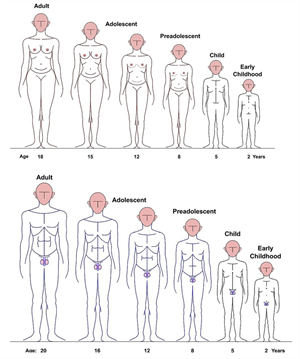
Human developmental stages: Top - Female, Bottom - Male
Characteristics of Adolescence:
Adolescence is marked by several noticeable changes:
- Rapid increase in height and body size
- Development of muscles and bones
- Emotional and behavioural changes
- Greater ability to think and reason
- Development of independence and a sense of responsibility
Importance of Adolescence:
- Adolescence is considered important because it lays the foundation for adult life.
- Proper nutrition, healthy habits, emotional support, and education during this period are crucial for overall development.
Puberty:
Puberty is the stage during adolescence when the body undergoes physical and hormonal changes and becomes capable of reproduction.
Age Range of Adolescence:
- Adolescence generally begins around age 12 and continues until age 19.
- However, the exact age range may vary by person.
Growth During Adolescence:
Growth refers to an increase in the size and structure of the body, such as height, weight, and organ development.
1. Physical growth includes:
| Aspect of Growth | Changes Observed During Adolescence |
| Height |
Rapid increase in height due to a growth spurt
|
| Weight |
Increase in body weight as muscles and bones develop
|
|
Bones and Muscles
|
Bones become stronger and muscles grow larger
|
|
Body Shape
|
Changes in body structure and overall appearance
|
|
Physical Strength
|
Improvement in stamina and physical ability
|
2. Growth Spurt
A growth spurt is a sudden and rapid increase in height and weight that typically occurs during adolescence.
Development During Adolescence:
Development refers to improvements in physical, mental, emotional, and social abilities.
1. Mental Development
- Improved reasoning and thinking skills.
- Enhanced learning ability.
- Greater decision-making capacity.
2. Emotional Development
- Changes in emotions and mood.
- Development of self-confidence.
- Greater awareness of surroundings and interpersonal relationships.
3. Social Development
- Formation of friendships.
- Understanding and accepting responsibilities.
- Improvement in communication and cooperation with others.
Importance of Proper Growth and Development:
Healthy growth and development during adolescence are essential because they:
- Prepare the body for adulthood.
- Improve physical fitness and mental well-being.
- Help in building confidence and personality.
- Support healthy social relationships.
Adolescence Occurs at Different Rates and Durations:
Every individual experiences adolescence differently. The rate of growth and development is not the same for all children.
Differences in Growth and Development:
- Some adolescents may experience a growth spurt earlier than others.
- Some may develop physically at a slower pace or later in adolescence.
- Emotional and mental maturity also varies among individuals.
These variations are natural and should not be considered abnormal or a cause for concern.
Factors Affecting Adolescence:
Several factors influence the rate and duration of adolescence, including genetics, nutrition, overall health, and environment:
|
Heredity
|
Traits inherited from parents influence growth
|
|
Nutrition
|
Healthy food supports body development
|
|
Physical Activity
|
Exercise strengthens muscles and bones
|
|
Sleep
|
Proper rest supports healthy growth
|
|
Environment
|
Surroundings and lifestyle affect development
|
 Register for free to see more content