

PDF chapter test TRY NOW
One day, a power cut stopped the fans in a classroom during the summer. The heat made the students feel tired, irritated, and unable to concentrate.
What is health
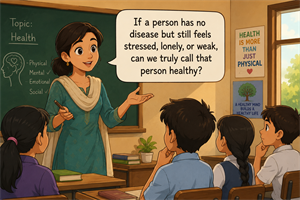
The teacher then explained that health is not just about avoiding disease. Our surroundings, habits, emotions, and relationships also influence how healthy we feel.
What is health?

A student moved to a new city and joined a new school. Since he had no friends and his parents stayed busy, he spent most of his time on his mobile phone. Gradually, he became lonely, developed headaches, and could not sleep properly. Although he had no major disease, he did not feel healthy.
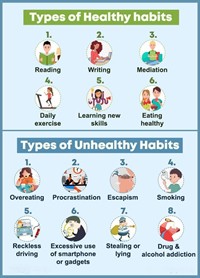
 Good physical health develops through healthy habits such as eating nutritious food, exercising regularly, maintaining cleanliness, and getting proper rest and sleep. These habits help the body grow properly and protect it from diseases.

A physically healthy person can perform daily activities efficiently without feeling tired or weak. Physical fitness also improves strength, stamina, and overall body function.

Stress, fear, loneliness, and negative thinking can affect mental health and may also influence physical health. Positive relationships, relaxation, and healthy habits help maintain mental well-being.

A socially healthy person communicates respectfully, works well with others, and maintains positive interactions in society. Strong social support also helps people handle stress and difficulties more effectively.

Health is a state of physical, mental, and social well-being and not merely the absence of disease. A healthy person feels energetic, thinks positively, and maintains good relationships with others.
World Health Organization (WHO):
World Health Organization (WHO)
- The World Health Organization (WHO) is an international organization that works to improve global health.
- WHO was established in \(1948\ \)by the United Nations.
- In \(1948\), WHO defined health as "a state of complete physical, mental, and social well-being and not merely the absence of disease."
- According to the World Health Organization, a healthy person performs daily activities efficiently, manages stress calmly, and maintains good relationships with society and surroundings.
Activity
A student moved to a new city and joined a new school. Since he had no friends and his parents stayed busy, he spent most of his time on his mobile phone. Gradually, he became lonely, developed headaches, and could not sleep properly. Although he had no major disease, he did not feel healthy.
Lonely child
Can a person who has no major disease still feel unhealthy due to loneliness, stress, and poor surroundings?
After receiving counselling and support, he reduced screen time, made friends, and improved his well-being. This situation shows that health depends on both the mind and surroundings, not only on the body.
Dimensions of Health:
1. Physical Health:
Physical health refers to the proper functioning of the body and helps a person stay active, energetic, and fit.
Physical Health
A physically healthy person can perform daily activities efficiently without feeling tired or weak. Physical fitness also improves strength, stamina, and overall body function.
2. Mental Health:
A mentally healthy person manages emotions properly, maintains positive thoughts, and remains confident during challenges. Good mental health improves concentration, decision-making, and self-control.
Mental health refers to emotional balance and the ability to think clearly and handle situations calmly.
Mental Health
Stress, fear, loneliness, and negative thinking can affect mental health and may also influence physical health. Positive relationships, relaxation, and healthy habits help maintain mental well-being.
3. Social Health:
Humans need love, care, friendship, and communication to feel emotionally secure and happy. Good social relationships create trust, cooperation, and a sense of belonging.
Social health refers to maintaining healthy relationships with family, friends, teachers, and society.
Social Health
A socially healthy person communicates respectfully, works well with others, and maintains positive interactions in society. Strong social support also helps people handle stress and difficulties more effectively.
Factors affecting health:
Factors and habits involving health
| Healthy factors and their importance | Unhealthy factors and their effects |
|---|---|
| Nutritious food provides energy and supports proper growth and development. | Junk food and unhealthy habits can cause weakness and various health problems. |
| Clean surroundings help prevent diseases and support good health. | Poor sanitation and pollution spread diseases and harm health. |
| Regular physical activity keeps the body fit, active, and strong. | Lack of exercise can lead to obesity and physical weakness. |
| Proper sleep and rest refresh the body and mind. | Excessive use of mobile phones can disturb sleep and affect mental health. |
| Positive relationships improve emotional well-being and confidence. | Stress and loneliness negatively affect mental and physical health. |
| Good personal hygiene prevents infections and maintains cleanliness. | Poor hygiene habits increase the risk of diseases and infections. |
Ayurveda:
Ayurveda explains that true health depends on balance between the body, mind, and surroundings. Ayurveda encourages healthy routines and balanced living to maintain overall well-being.
It suggests:
- Following dinacharya (daily routine) and ritucharya (seasonal routine) to maintain balance in the body and mind.
- Eating fresh, wholesome food and exercising regularly to stay healthy and active on one's prakriti (body constitution).
- Maintaining cleanliness and getting proper sleep to support overall well-being.
- Practising yoga, meditation, and mindfulness to improve mental peace and emotional balance.
Ayurveda
Health does not simply mean freedom from disease. True health includes physical strength, mental well-being, and healthy social relationships. Good food, exercise, positive thinking, cleanliness, proper rest, and supportive surroundings together help people remain healthy and happy.
 Register for free to see more content