

PDF chapter test TRY NOW
Health is a state of physical, mental, and social well-being. It depends on lifestyle habits and environmental conditions, which together determine overall health.
What is a Healthy Lifestyle?
A healthy lifestyle refers to a pattern of habits and behaviours that help maintain and improve physical, mental, and social health.
Essential healthy habits are:
a. Eating a balanced diet: A balanced diet is a diet that contains all essential nutrients in the correct proportions to meet the body's requirements for growth, repair, energy, and protection from diseases.
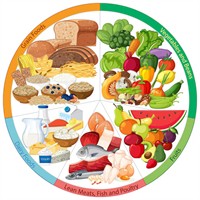
Balanced diet
| Nutrient | Function | Sources |
|---|---|---|
| Carbohydrates | Main source of energy | Rice, wheat, potatoes |
| Proteins | Growth and tissue repair | Pulses, milk, eggs, beans |
| Fats | Energy storage and insulation | Nuts, oils, butter |
| Vitamins | Protection from diseases | Fruits and vegetables |
| Minerals | Proper body functioning | Green leafy vegetables, milk |
| Water | Transport of nutrients and waste removal | Drinking water |
| Fibre or Roughage | Aids digestion | Fruits, vegetables, whole grains |
b. Regular physical exercise: Exercise improves physical fitness by strengthening muscles and bones, improving blood circulation, enhancing flexibility and stamina, and helping maintain a healthy body weight. Exercise supports mental well-being by reducing stress and anxiety, improving concentration, and enhancing mood and self-confidence.
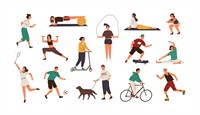
Exercise
c. Adequate Sleep: Sleep is essential for health as it repairs body tissues, supports growth, and strengthens immunity. It improves memory, learning, concentration, mood, and emotional well-being. Healthy sleep habits help the body and mind recover from daily activities.
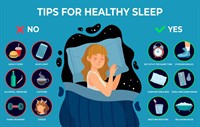
Good sleep cycle
d. Personal hygiene: Personal hygiene keeps the body clean and healthy through habits such as bathing, handwashing, and brushing teeth. It helps prevent infections and reduces disease transmission. Good hygiene also promotes confidence and well-being. Poor hygiene can cause diseases such as diarrhoea, skin infections, tooth decay, and eye infections.
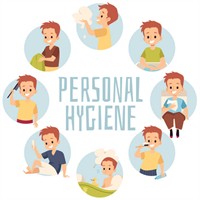
Personal hygiene
e. Managing stress and mental health: Mental health can be maintained through activities such as meditation, yoga, pranayama, reading, listening to music, and spending time with loved ones. These practices help reduce stress and improve emotional balance. They also enhance focus, productivity, happiness, and peace of mind, contributing to overall well-being.
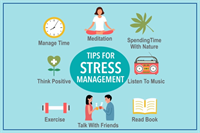
Stress management
Harmful Lifestyle Habits to Avoid:
a. Excessive screen time: Prolonged use of devices such as mobile phones, computers, and televisions. It can cause eye strain, headaches, poor sleep, reduced concentration, and decreased social and physical activities; these effects can be reduced by limiting screen time, taking breaks, and engaging in exercise.

Effects of excessive screen time
b. Consumption of junk food: Junk food contains high amounts of sugar, salt, and unhealthy fats with little nutritional value. Frequent consumption can lead to obesity, poor digestion, nutritional deficiencies, and an increased risk of diabetes and heart disease; healthier choices include fruits, salads, nuts, and homemade meals.
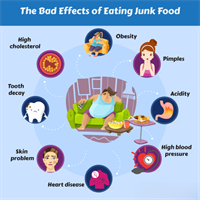
Effects of eating junk food
c. Sleeping late and skipping meals: Can lead to tiredness, poor concentration, reduced immunity, and low energy levels. Breakfast is important because it provides energy to start the day after an overnight fast.
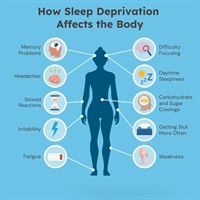
Effects of sleep deprived
d. Tobacco, Smoking, Alcohol, and Drugs: Harmful substances that can damage the lungs, liver, brain, and overall physical and mental health. They can cause addiction, poor decision-making, and negatively affect academic and social life; therefore, students should always say "NO" to them.

Avoid harmful substances
Environmental factors affecting human health:
The environment includes everything around us, such as air, water, land, plants, animals, and human communities. A healthy environment is essential for a healthy life.
Activity:
Which playground would you like to play in, a clean one or an unclean one, and why? Most of us would like to play in the playground, which is clean, as it is clean, well-maintained, and visually appealing. The playground is polluted, dirty, unhygienic, and full of flies and mosquitoes. People living in such areas may fall sick more often
Which playground would you like to play in, a clean one or an unclean one, and why? Most of us would like to play in the playground, which is clean, as it is clean, well-maintained, and visually appealing. The playground is polluted, dirty, unhygienic, and full of flies and mosquitoes. People living in such areas may fall sick more often
Ways to keep the environment clean:
a. Sanitation: Sanitation involves maintaining clean surroundings and the safe disposal of waste. It helps prevent the spread of diseases, reduces the breeding of mosquitoes and flies, and promotes a healthy environment through proper waste disposal, clean drains, hygienic toilet use, and prevention of water stagnation.
i. Biodegradable waste: Food peels, leaves, paper. This waste can rot naturally and turn into compost.
ii. Non-biodegradable waste: Plastic bottles, glass, and metal. These cannot be easily decomposed and must be recycled or reused.
Contaminated water is a major source of disease. Polluting water bodies with waste makes water unsafe and can spread diseases such as cholera, typhoid, and other water-borne infections.
b. Community health: Personal hygiene helps reduce the spread of germs and keeps the environment clean. Community clean-up activities in schools, neighbourhoods, and public places further promote cleanliness and public health.
c. Air pollution and human health: Air pollution is the contamination of the atmosphere by harmful gases, smoke, and dust, causing health problems such as coughing, breathing difficulties, asthma, and lung diseases, especially in children, the elderly, and people with respiratory conditions.
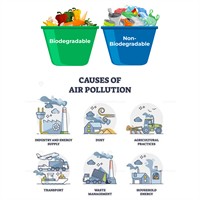
Waste and types and Causes of air pollution
d. Sustainable living: Environment-friendly habits such as reducing plastic use, reusing materials, and recycling waste help minimize pollution and conserve natural resources.
Air Quality Index:
Burning plastic, garbage, or fossil fuels releases smoke and harmful gases. These reduce the quality of the air we breathe and can cause asthma, cough, and lung problems.
The Air Quality Index (AQI) is a numerical measure used to assess the level of air pollution.
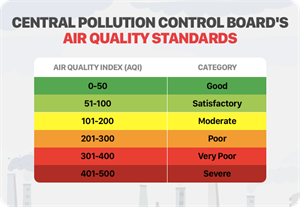
AQI standards
Tree planting is the easiest way to make the air better! A single tree can produce enough oxygen for\(\ 4\ \)people in one day!
Important!
-
In Indore, India, people started segregating waste at home, and the city became one of the cleanest in the country.
-
Villages that covered their wells and ponds with protective nets reported fewer cases of diarrhoea.
 Register for free to see more content