


PUMPA - SMART LEARNING
எங்கள் ஆசிரியர்களுடன் 1-ஆன்-1 ஆலோசனை நேரத்தைப் பெறுங்கள். டாப்பர் ஆவதற்கு நாங்கள் பயிற்சி அளிப்போம்
Book Free DemoNot all diseases are caused by germs. Some develop due to unhealthy lifestyle habits, poor diet, environmental factors, or genetics.
What are Non-Communicable Diseases?
Non-Communicable Diseases (NCDs) are diseases that are not caused by pathogens and cannot spread from one person to another.
NCDs are now a leading cause of illness and death in India due to unhealthy lifestyles, physical inactivity, stress, and increasing life expectancy.
Features of Non-Communicable Diseases:
- Non-infectious: They are not caused by pathogens such as bacteria, viruses, fungi, or parasites.
- Do not spread: They cannot spread through air, water, food, or direct contact.
- Lifestyle-related: They are mainly caused by unhealthy lifestyle habits, poor diet, lack of physical activity, environmental pollution, genetic (hereditary) factors, or hormonal imbalances.
- Slow development: They usually develop gradually over a long period.
- Long-term conditions: They often require continuous treatment, monitoring, and care.
- Preventable: Many NCDs can be prevented or their risk reduced by adopting healthy lifestyle habits.
Why are NCDs Called Chronic Diseases?
A chronic disease is a disease that lasts for a long period, usually more than three months, and often requires continuous medical care.
Causes of Non-Communicable Diseases:
| Cause | Description | Health Risks and diseases |
|---|---|---|
|
Unhealthy Diet
 |
Eating foods high in sugar, salt, and unhealthy fats, and low in fruits and vegetables. | Obesity, diabetes, and heart diseases. |
|
Physical Inactivity
 |
Lack of regular exercise and a sedentary lifestyle. | Weight gain, obesity, high blood pressure, diabetes, and heart disease. |
|
Obesity
 |
Excess body weight places extra stress on the body. | Diabetes, high blood pressure, heart disease, and joint problems. |
|
Hormonal Imbalances
 |
Abnormal hormone levels affect normal body functions. | Diseases such as diabetes. |
|
Environmental Factors
 |
Long-term exposure to air pollution, tobacco smoke, and harmful chemicals. | Respiratory diseases and cancer. |
|
Genetic Factors
 |
Some diseases are inherited and may run in families. | Diabetes, high blood pressure, and certain cancers. |
Common Non-Communicable Diseases:
| Disease | Definition | Common Symptoms | Preventive Measures |
|---|---|---|---|
| Diabetes | A disease in which the body cannot properly regulate blood sugar due to insufficient insulin production or insulin resistance. | Frequent urination, excessive thirst, tiredness, weight loss, slow-healing wounds | Eat a balanced diet, exercise regularly, maintain a healthy weight, reduce sugar intake, and have regular health check-ups. |
| Obesity | A condition in which excess body fat accumulates to a level that affects health. | Excess body weight, breathlessness, fatigue, joint pain | Eat a healthy diet, exercise daily, reduce junk food and sugary drinks, and maintain a healthy weight. |
| High Blood Pressure (Hypertension) | A condition in which the force of blood against the artery walls remains consistently higher than normal. | Headache, dizziness, fatigue, blurred vision, shortness of breath | Reduce salt intake, exercise regularly, manage stress, avoid smoking, and have regular blood pressure check-ups. |
| Cancer | A disease caused by the uncontrolled growth and division of abnormal cells in the body. | Tumours, unexplained weight loss, fatigue, abnormal bleeding | Avoid tobacco, eat a healthy diet, exercise regularly, and undergo regular health screenings for early detection. |
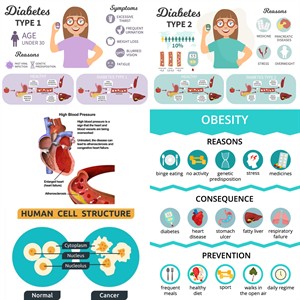
Diabetes, Obesity, Hypertension and Cancer (clockwise)
Deficiency Diseases:
Deficiency diseases are diseases caused by the insufficient intake of essential nutrients such as vitamins and minerals.
| Disease | Deficient Nutrient | Common Symptoms |
|---|---|---|
| Scurvy | Vitamin C (Ascorbic acid) | Swollen and bleeding gums, joint and muscle pain, delayed wound healing, weak teeth and bones |
| Rickets | Vitamin D | Weak and bent bones, poor bone growth in children |
| Goitre | Iodine | Swelling in the neck, thyroid gland problems, hair loss, obesity |
| Anaemia | Iron | Tiredness, dizziness, light-headedness, weakness |
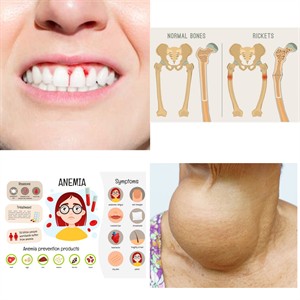
Scurvy, Rickets, Goitre and Anaemia (clockwise)
Early Diagnosis, Continuous Care, and Prevention of NCDs:
Early diagnosis helps detect non-communicable diseases before serious complications develop, allowing timely treatment and better disease management.
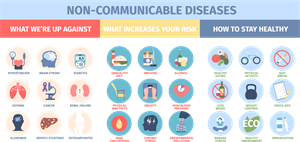
Early Diagnosis, Continuous Care, and Prevention of NCDs
- Regular blood sugar tests, blood pressure monitoring, and routine health check-ups aid in early detection.
- Continuous care through prescribed medicines, a balanced diet, regular exercise, and routine medical check-ups helps keep chronic diseases under control.
- Most NCDs can be prevented by adopting a healthy lifestyle, including nutritious eating, regular physical activity, maintaining a healthy weight, avoiding tobacco, managing stress, getting adequate sleep, and undergoing regular health check-ups.
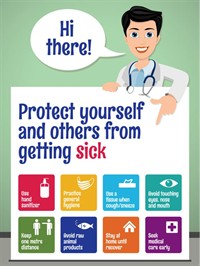
Protection and prevention against NCDs
Important!
Dr Kamal Ranadive (\(1917\)–\(2001\)) was a pioneering biomedical researcher who discovered links between hormones, viruses, and cancer and highlighted how lifestyle factors, such as tobacco, diet, and pollution, increase cancer risk.
Prevention is better than a cure. It is important to protect ourselves from both communicable and non-communicable diseases.
The following are the case studies for the preventive measures for the diseases.
Odisha's Community Sanitation Drive: In Bhadrak district, Odisha, residents built and used household toilets through a community sanitation drive. This reduced open defecation, leading to fewer cases of diarrhoea and stomach infections and improving overall community health.
Swachh Bharat Mission: Launched in \(2014\), the Swachh Bharat Mission promoted toilet construction, proper waste disposal, and hygiene awareness across India. It reduced open defecation, improved cleanliness and garbage management, and encouraged handwashing, helping prevent the spread of infectious diseases.
 Register for free to see more content